Character showcases · 3 min read
Character Reveals Should Feel Like Meeting Someone
Plan a game character showcase website around personality, a strong visual and optional lore. See how After Hours introduces its cast and their stories.
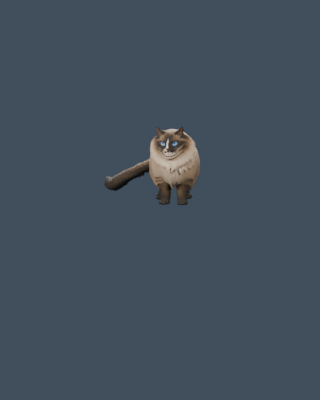
A game character showcase website has a different job from an internal character sheet. A production sheet may need measurements, material notes and every costume detail. A reveal page needs to make someone curious about the person they are meeting. The detailed information can follow once there is a reason to care.
Begin with the impression the character should leave. Are they welcoming, unpredictable, solemn or ambitious? Choose a visual and a short piece of writing that communicate that impression together. A long biography cannot rescue an opening that gives the visitor no clear point of attention.
Let the first view carry the introduction
Use one readable image, pose or short motion moment as the focus. Check the silhouette and facial expression at phone size, not only on a large production monitor. If a character is surrounded by props or effects, make sure those elements support the introduction instead of hiding it.
Follow with a memorable line that suggests a motive, habit or tension. For a hypothetical courier, a line about remembering every address but never staying anywhere could invite more curiosity than a list of age, height and equipment. That example illustrates a writing approach; it is not a character or client claim from Twined's portfolio.
Offer detail in layers
Give readers a short introduction first, then let them choose more. Expandable lore, selected costume details or a gallery can reward interest without making the page a wall of text. Keep the character's name visible and make it obvious when a control changes the character rather than merely changing the camera.
In After Hours, the Casting House introduces members of the fictional cast with roles, stories and quirks. It has a different purpose from the Foundry, which presents the making of an asset. Keeping those jobs separate helps visitors choose whether they want to meet a character or inspect a production process. After Hours is Twined's self-initiated work.
Give interaction a reason to exist
A turntable can help someone examine a design. A selectable detail can reveal a piece of equipment's significance. A short animation can communicate attitude. Choose the interaction that supports the introduction, and avoid asking someone to learn unnecessary controls just to read the character's story.
A 3D viewer also needs useful loading, touch and keyboard behavior. Provide a strong static view and readable text so the introduction still works if someone does not activate the model. Check contrast, type size and whether controls cover the face or other important details on a small screen.
Finish with a relevant next step. A game reveal might lead to a trailer, roster or store page. A studio portfolio might lead to a project study. The next action should follow naturally from the interest the character has created, while leaving the visitor free to explore more of the story.